Lyle Alzado had an estimated net worth of around 1 million dollars at the time of his death in 1992. The former NFL defensive lineman earned his money over a 15 year professional football career split between the Denver Broncos, Cleveland Browns, and Los Angeles Raiders, followed by a short run in Hollywood as an actor.
Quick Facts
| Category | Details |
| Full Name | Lyle Martin Alzado |
| Net Worth | Approximately 1 million dollars |
| Born | April 3, 1949, Brooklyn, New York |
| Died | May 14, 1992, Portland, Oregon |
| Profession | NFL Defensive Lineman, Actor |
| Career | 1971 to 1985 (NFL) |
| Nationality | American |
Who Was Lyle Alzado
Lyle Alzado grew up in Brooklyn, New York, in a household he later described as troubled, and he found structure through boxing and football before landing at Yankton College in South Dakota, a small school that gave him a path into the NFL. He was not drafted out of a major program, and scouts had little tape on him, so the Denver Broncos took a chance on him in the fourth round of the 1971 draft.
That gamble paid off. Alzado became one of the most feared pass rushers of his era, known for a temper that sometimes boiled over into locker room fights with his own teammates. He played with an intensity that fans in Denver still talk about, and he helped anchor the Broncos defense known as the Orange Crush.
Lyle Alzado Net Worth Breakdown
Alzado’s net worth came almost entirely from NFL salaries at a time when player pay was a fraction of what it is today. During his prime years with the Broncos and Raiders, top defensive players earned salaries in the low hundreds of thousands per season, nowhere close to modern contracts.
1. NFL Salary Earnings
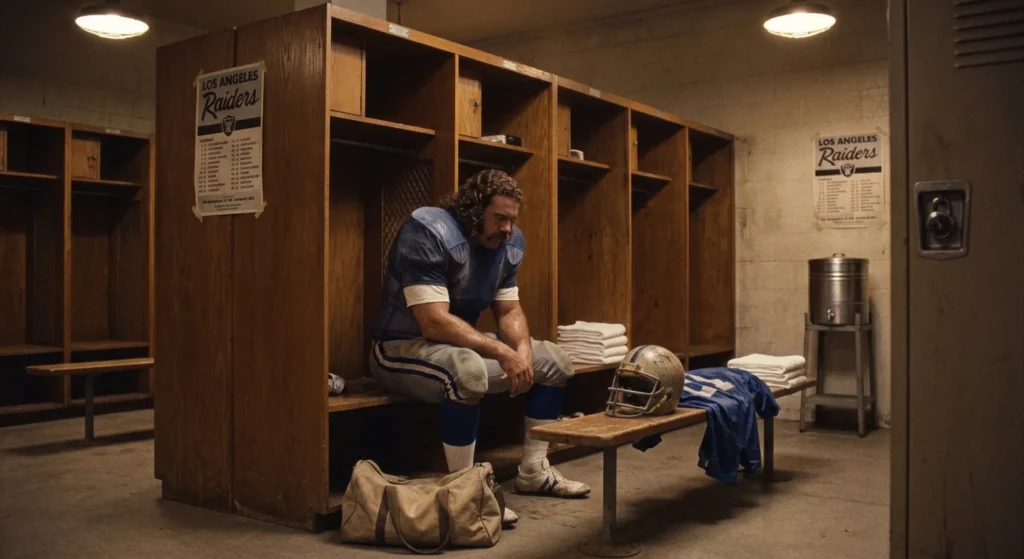
He spent seven seasons in Denver, three in Cleveland, and five in Los Angeles with the Raiders, where he won a Super Bowl ring in 1984 after the team defeated the Washington Redskins. Raiders owner Al Davis was known for rewarding veteran talent, and Alzado’s later contracts with the team represented the highest pay of his career.
2. Acting and Post-Football Income
After retiring from football in 1985, Alzado pursued acting, landing small roles in films and television shows, including appearances alongside Arnold Schwarzenegger. These roles added modest additional income but never became a major second career the way some other retired athletes managed.
Steroid Use and Its Impact
Alzado became one of the first major professional athletes to speak openly about long-term anabolic steroid and human growth hormone use. In a widely read 1991 Sports Illustrated interview, he said he began using steroids in college and continued through most of his NFL career to build size and strength.
He later connected his steroid use to the brain cancer that led to his death, though doctors at the time said there was no confirmed medical link between steroid use and his specific diagnosis. Regardless of the scientific debate, his public statements changed how the sports world talked about performance-enhancing drugs and pushed the NFL toward stricter testing policies in the years that followed.
Health Decline and Death
Alzado was diagnosed with a brain tumor in 1991, initially treated as a form of lymphoma before doctors identified it as a more aggressive cancer. He underwent chemotherapy and lost significant weight and muscle mass, a visible decline that shocked fans who remembered him as one of the strongest men in football.
He died on May 14, 1992, at age 43, roughly a year after going public with both his diagnosis and his steroid history. His story remains one of the most cited cautionary examples in conversations about performance-enhancing drugs in professional sports.
1. Legacy in the NFL
Despite a career that ended decades ago, Alzado is still remembered in Denver Broncos history, with his number 76 unofficially honored by fans who followed the Orange Crush defense. He was named to the Broncos Ring of Fame in 1990, recognizing his role in building the franchise into a consistent playoff contender during the late 1970s.
Personal Life
Alzado was married multiple times during his life and had a son, Justin, from one of his relationships. He spent his final years in Portland, Oregon, where he had settled after his football and acting careers wound down, and where he was close to family in his last months.
Friends and former teammates described him as generous off the field despite his combative reputation on it, often crediting him with mentoring younger defensive players during his time with the Raiders.
How Lyle Alzado’s Net Worth Compares to NFL Peers
Compared to modern NFL defensive linemen who can earn tens of millions of dollars in a single contract, Alzado’s estimated 1 million dollar net worth reflects the very different economics of professional football in the 1970s and 1980s. Players of his era typically needed offseason jobs to supplement their income, and pension structures were far less generous than today’s collective bargaining agreements provide.
His financial story is closer to that of other pre-1990s NFL stars, many of whom retired with modest savings despite long, accomplished careers, a gap that later players’ unions used as a key argument for improved player compensation and post-career benefits.
Awards and Recognition
Alzado earned Pro Bowl selections and was named AFC Defensive Player of the Year in 1977, a season in which he helped lead the Broncos to their first Super Bowl appearance. That recognition came during the peak of his career in Denver, when opposing offensive linemen regularly named him among the toughest defenders they faced.
He was inducted into the Broncos Ring of Fame in 1990, a distinction reserved for players considered central to the franchise’s identity. Unlike Pro Football Hall of Fame induction, which he never received, the Ring of Fame honor reflects team-level rather than league-wide recognition, though many fans and sportswriters have argued his career statistics and impact deserved broader consideration.
Films and Television Appearances
Alzado’s acting résumé included a role in the 1987 comedy Ernest Goes to Camp and appearances in television shows aimed at capitalizing on his tough-guy image built during his playing days. He also worked as a color commentator and sports analyst for a period after retiring, drawing on his firsthand knowledge of the game rather than pursuing acting as a full-time career.
These ventures never generated income close to what he earned during his NFL contracts, and by his own accounts in later interviews, he treated the entertainment work more as a way to stay connected to public life than as a serious financial pursuit.
Advocacy After His Diagnosis
After going public with his illness, Alzado spent his remaining months speaking to young athletes and reporters about the dangers of anabolic steroid use, appearing on television programs and giving interviews even as his physical condition declined. He wanted his story used as a warning rather than kept private, a decision friends said was consistent with the same directness that defined his playing style.
His willingness to discuss his steroid use openly, at a time when most athletes avoided the topic entirely, is often cited by sports historians as an early turning point in public and league attitudes toward performance-enhancing drug testing.
Comparison to Other NFL Steroid Era Athletes
Alzado was not the only NFL player of his generation known to use steroids, but he was among the first to discuss it publicly and connect it directly to his health outcome. Other players from the same era have since spoken about steroid use in retrospective interviews and documentaries, though few did so while facing a terminal diagnosis the way Alzado did in 1991.
His case is frequently referenced alongside other athletes from bodybuilding and football who died relatively young, contributing to ongoing research and debate about the long-term effects of anabolic steroid and growth hormone use in professional sports.