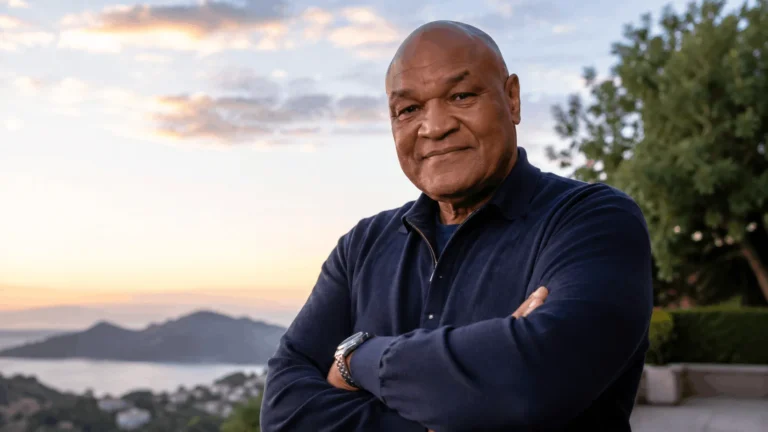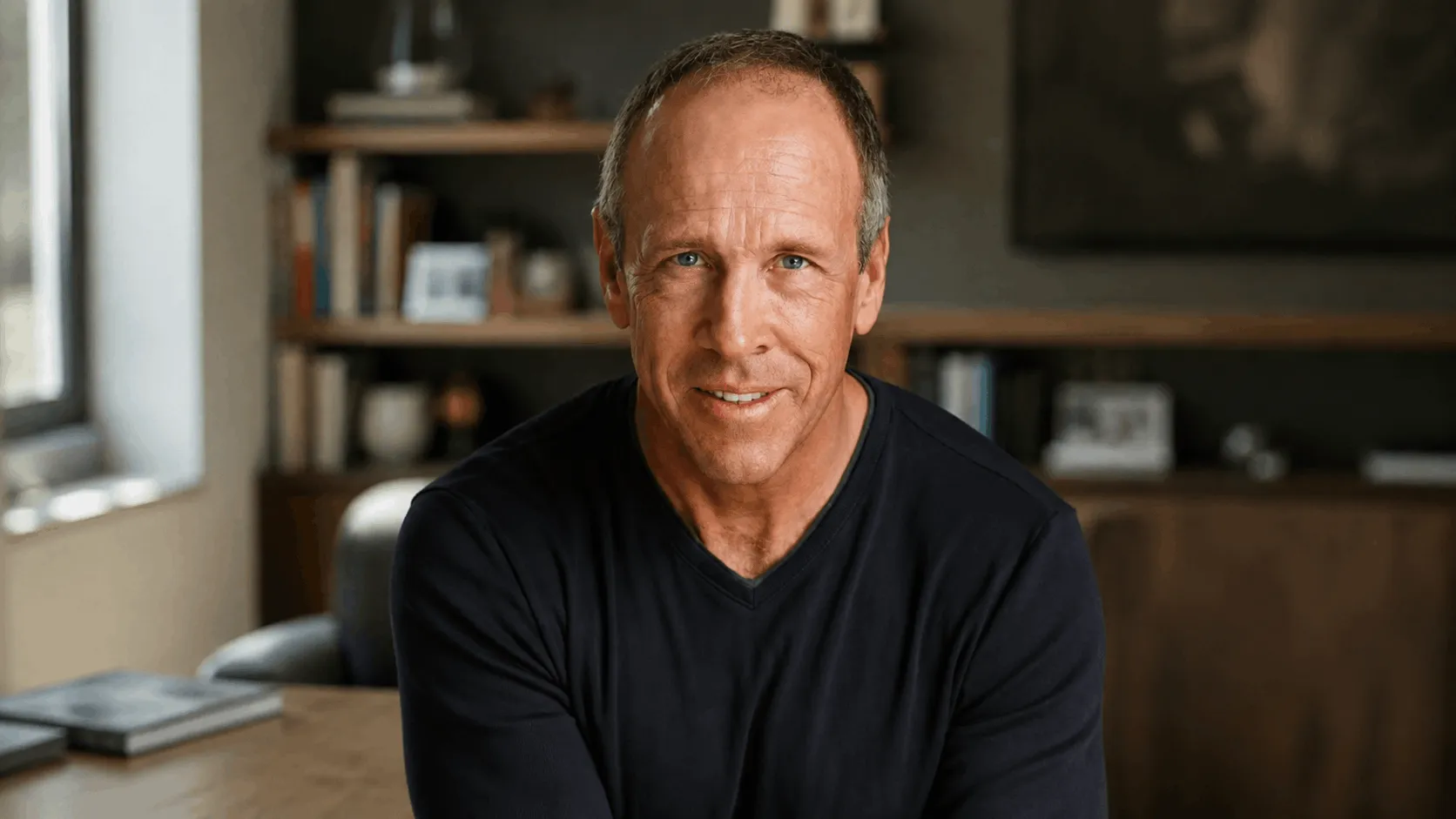
“Jeff Allen is a clean comedian best known for the special Happy Wife, Happy Life and for viral clips through Dry Bar Comedy, and his stand-up leans on marriage, family, and a personal recovery story rather than politics or profanity. He has been performing since 1978, and this profile covers his career, his income sources, and the honest answer on his net worth.”
Quick Facts
| Detail | Info |
| Real name | Jeffrey Allen Mishler |
| Stage name | Jeff Allen |
| Born | June 5, 1956, in Sauk Village, Illinois |
| Profession | Stand-up comedian, actor, author, speaker |
| Years active | 1978 to present |
| Known for | Happy Wife, Happy Life; Apostles of Comedy; Dry Bar Comedy specials |
| Spouse | Tami Mishler |
| Home base | Fairview, Tennessee |
Who Is Jeff Allen
Jeff Allen is a clean comedian who built a career on marriage jokes, family stories, and a personal recovery story he tells on stage as openly as his punchlines. He has been performing since 1978 and is best known for the one-hour special Happy Wife, Happy Life and for a string of viral Dry Bar Comedy clips. People searching his name are usually curious about two things at once, how much he has earned from four decades of touring, and how a former self-declared atheist with a drug and alcohol history became one of the most booked names on the church and corporate comedy circuit.
His act sits in a specific lane. He avoids profanity and politics, leans on marriage and parenting stories, and draws on a personal history that includes addiction, a near divorce, and a return to faith. That combination has kept him working steadily since the late 1970s, long after many of his club-circuit peers from that era stopped touring.
Early Life And Background
Jeffrey Allen Mishler was born on June 5, 1956, in Sauk Village, Illinois. His father, Jack Mishler, wanted to paint for a living but worked construction to support the family instead. His mother, Arlene Mishler, spent 30 years at Stauffer Chemical Company.
That working-class household gave Allen his first material. Long before he had a stage name or a following, he was a kid watching his parents trade a creative dream for a steady paycheck, a tension that shows up in his act decades later when he jokes about ordinary domestic life instead of headline news or politics.
Career And Income Breakdown
Starting Out In Chicago Clubs
Allen started performing in 1978 in the comedy clubs of Chicago. By his own account, the pay was thin and the respect was thinner, and he leaned on drugs and alcohol to get through those early years on stage. In interviews, he has described those first two years as a stretch when there were more comedy clubs than working comedians, which let him travel and get paid while he was still learning the craft.
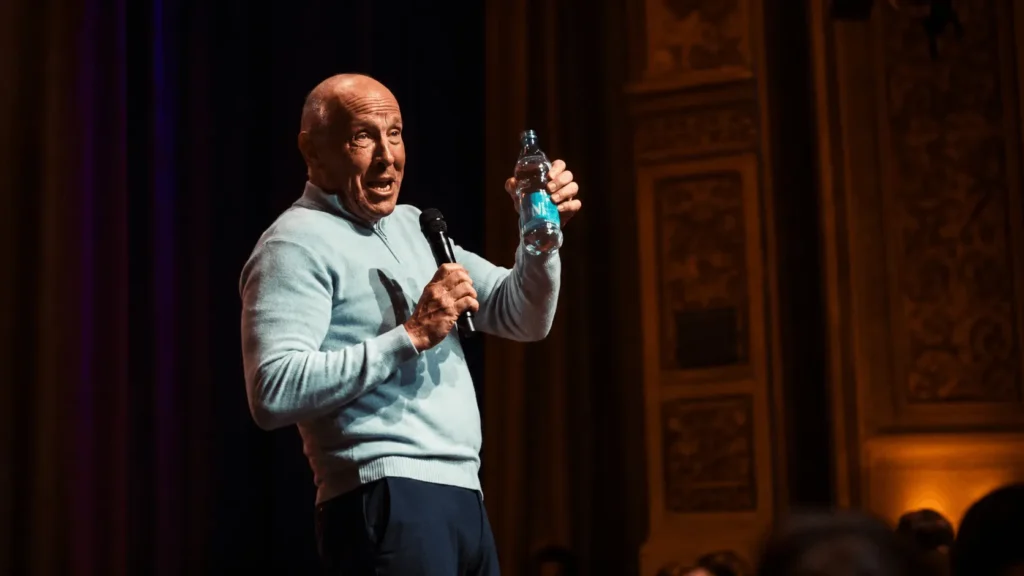
He got sober in 1987, a full decade into his career, and has said he has been sober for more than three decades since. By his own telling, he called his father from the road to say he could not stop drinking on his own, and his father drove out to bring him home. He credits that moment, and the Alcoholics Anonymous meetings that followed, as the real start of the second half of his career.
The Turn Toward Clean Comedy
A conversation with Jerry Seinfeld changed Allen’s approach to material. Seinfeld reportedly told him he was funny enough to skip the profanity, pointing out that no one leaves a comedy show wishing the comedian had been dirtier. Allen dropped the expletives, and churches became a steady venue for his act as he worked in the same clean style as Seinfeld and Bill Cosby.
In 1997, Allen became a born-again Christian, a shift that reshaped both his personal life and his booking calendar. Faith-based venues, churches, and family audiences became the core of his business, a very different economic engine than the club and late-night circuit most comedians rely on.
Film, Television, And Streaming
Allen’s screen credits include the syndicated series Bananas, the Warner Bros. film Thou Shalt Laugh, and Apostles of Comedy, along with its follow-up Apostles of Comedy: Onwards and Upwards. His one-hour special Happy Wife, Happy Life, later followed by Happy Wife, Happy Life, Revisited, is the project most associated with his name.
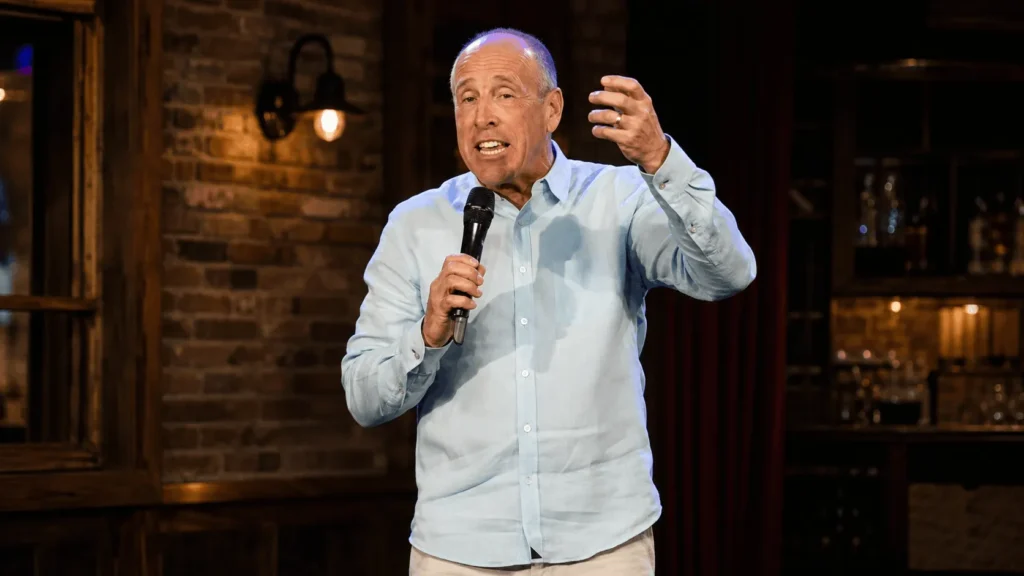
He has also appeared on America’s Got Talent, The Today Show, Comedy Central, Showtime, VH1, and Huckabee, and his short clips through Dry Bar Comedy have been watched hundreds of millions of times online, with some totals cited at close to a billion combined views. He has performed at Montreal’s Just For Laughs Festival and HBO’s Comedy Arts Festival, and his live credits include stops at the Grand Ole Opry, a Presidential Inauguration, and the Sundance Film Festival. He is also cited as one of the more frequently requested comedians on Sirius XM radio, a detail that points to steady demand beyond his live tour dates.
More recently, Allen took his first dramatic lead role in the film My 7 Grandmas, playing a widower, a performance that earned him a Best Lead Actor nomination at the 2025 International Christian Film Festival. That role marked a shift from the stand-up specials and comedy films that built his reputation toward more dramatic, character-driven work.
Books And Speaking
Allen has written multiple books built around the same themes as his stand-up, including My Life as a Bystander and Are We There Yet?, the latter tied to a touring show of the same name that covers his path through addiction, a near divorce, and recovery. He also works as a corporate and inspirational speaker, a category of income that runs alongside, not instead of, his stand-up dates.
How Jeff Allen Makes His Money
Allen’s income comes from several sources rather than one dominant deal, which is typical for a comedian who has spent decades on the road instead of chasing a single streaming special.
Live performances make up the largest piece. He tours theaters, comedy clubs, churches, corporate events, fundraisers, and casinos, a combination that gives him steady bookings across very different markets. Streaming and digital views add a second layer, since Dry Bar Comedy’s clips of his act have introduced him to audiences who never attended a live show. Acting and film work, including his Apostles of Comedy credits and his newer dramatic role in My 7 Grandmas, form a third stream. Book sales and public speaking round out the rest, drawing on the same recovery and marriage material that fills his stand-up sets.
What Is Jeff Allen’s Net Worth
Here is the honest answer: there is no verified, source-backed net worth figure for Jeff Allen. Various sites list numbers anywhere from around 2 million dollars to 15 million dollars, but none of them cite a named financial disclosure, court filing, or on-the-record statement from Allen or his team, and the figures contradict each other from one page to the next.
What can be said with confidence is the shape of his income rather than a dollar total. He has built a durable, multi-decade earning base from touring, screen credits, books, and speaking rather than one payday, and that model tends to produce steady mid-career wealth rather than the kind of spike that gets confirmed by public records. Until Allen or a verified financial source discloses an actual number, treat any specific figure attached to his name as an estimate, not a fact.
What Jeff Allen Is Touring With Now
Allen has continued touring well into his sixties, moving between theaters, comedy clubs, and casinos in cities as varied as Boston, San Diego, Lexington, and Orlando. His recent tours have carried titles tied directly to his books and his outlook, including a run built around his book Are We There Yet? and a separate show billed as a hilarious celebration of humility and redemption.
The format usually splits in two. The first half is straight stand-up covering marriage, parenting, and everyday domestic life, the same rapid-fire style that built his Dry Bar Comedy following. The second half slows down and turns personal, walking the audience through his addiction, the near collapse of his marriage, and the recovery that followed. That structure, part comedy set and part testimony, is a large part of why churches and corporate event planners book him alongside comedy clubs and theaters.
Family And Personal Life
Allen is married to Tami Mishler, and by his own telling, the early years of their marriage were shaped by his addiction as much as by anything else. He has spoken publicly about a near divorce, a period of personal bankruptcy, and his wife’s breast cancer diagnosis, all of which later became material for his comedy rather than subjects he avoided on stage.
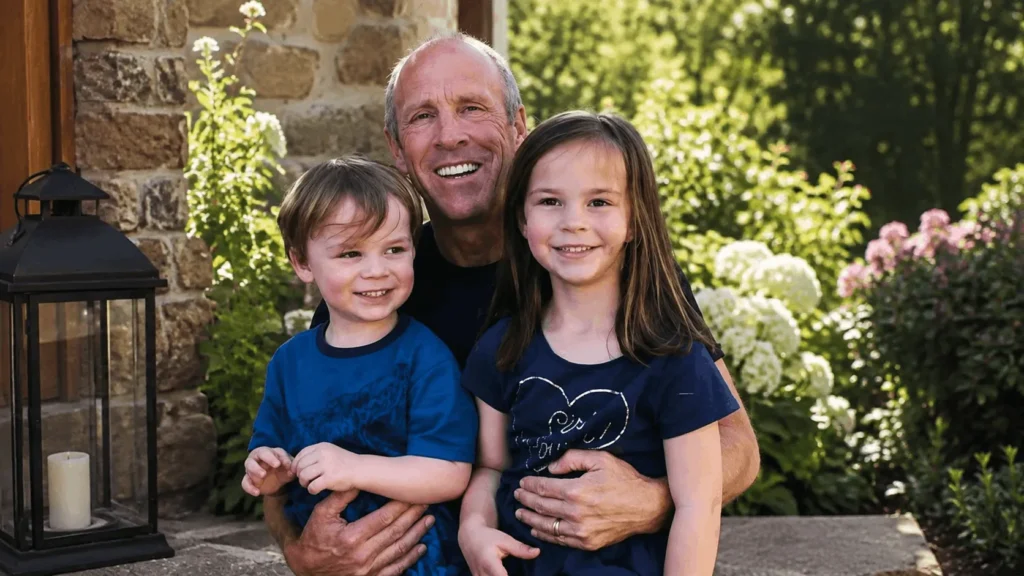
His recovery, his return to sobriety in 1987, and his faith journey in 1997 are woven through both his act and his books. The couple’s story of a marriage that nearly ended and was rebuilt is the backbone of Happy Wife, Happy Life and much of his touring material since. Allen has also talked about cleaning up his language on a personal level after one of his own children got in trouble at school for cursing, a detail he says pushed him further toward the family-friendly style he is now known for.
Allen and Tami Mishler raised two children together, and Allen’s more recent material touches on the empty nest years and becoming a grandparent, subjects that show up in his newer tour material alongside the marriage jokes that built his following. Allen now lives in Fairview, Tennessee.
Where Jeff Allen Fits Among Clean Comedians
Most net-worth conversations compare comedians by streaming deals or arena tour grosses, a measuring stick that does not fit Allen well. His business runs on churches, corporate events, and theater dates rather than festival slots or a single Netflix contract, closer in structure to a touring speaker than to a comedian chasing a late-night deal.
That circuit rewards longevity and repeat bookings over viral peaks, and Allen’s four-decade run, along with a back catalog of Dry Bar Comedy clips still gaining views, reflects a career built on steady demand rather than a short window of fame. It is a different kind of success than the numbers most net-worth pages try to chase, and arguably a more accurate way to judge a comedian who has spent decades on this particular circuit.